
Industries
Cargo with
conditions
A trailer is a trailer. What changes between sectors is the paperwork, the temperature, the securing and what happens if the load is late.
01Sector
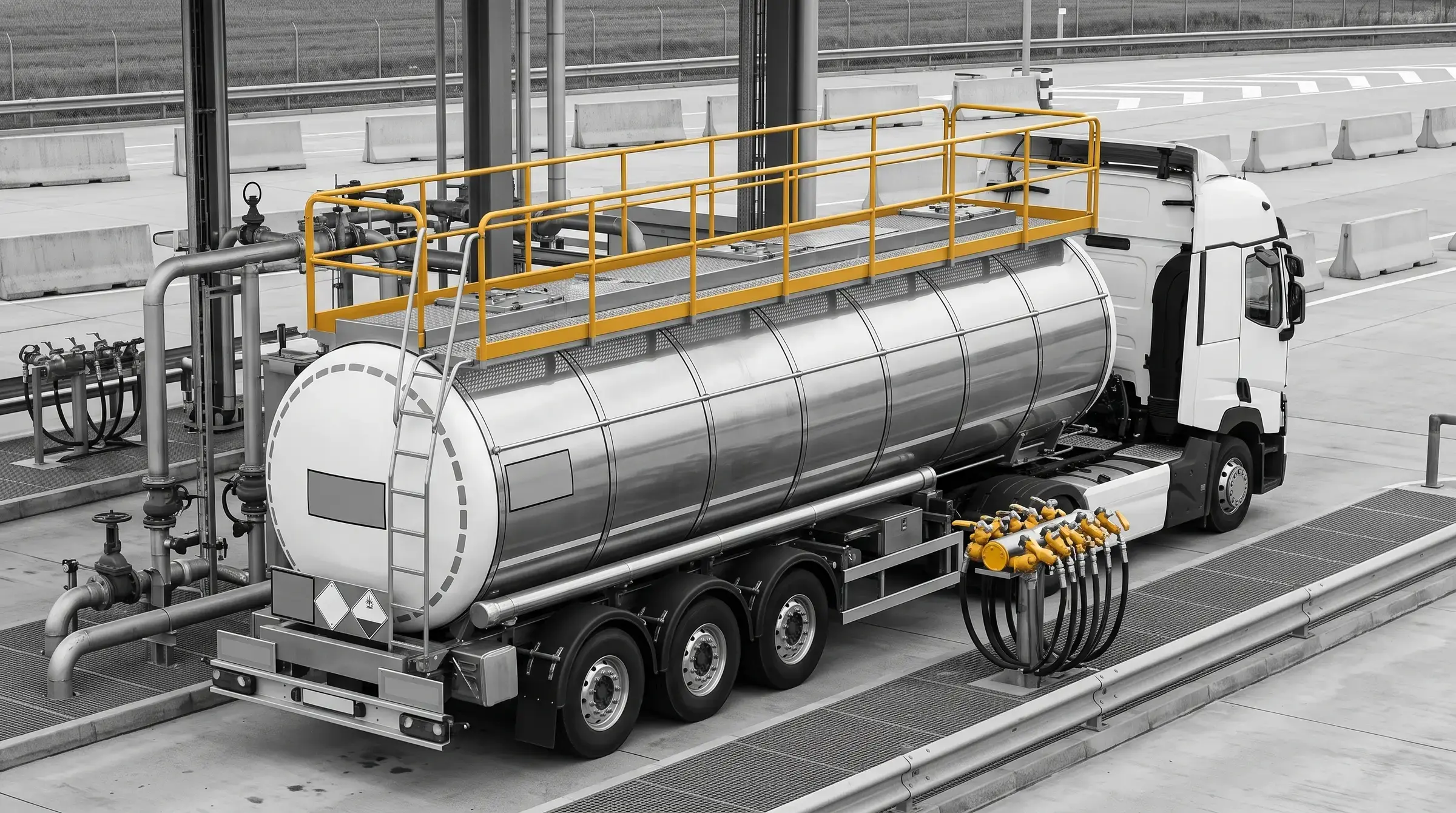
Chemicals and dangerous goods
Hazardous cargo is where paperwork and equipment have to agree with each other. We classify the load before we price it, so the trailer that turns up is the one the consignment is legally allowed to travel in.
Sector detail
02Sector
Agriculture and perishables
Seed and livestock cargo is judged on two things: the temperature it held and the day it arrived. Both are transit planning problems, and both are why this traffic mostly moves as direct full loads rather than groupage.
Sector detail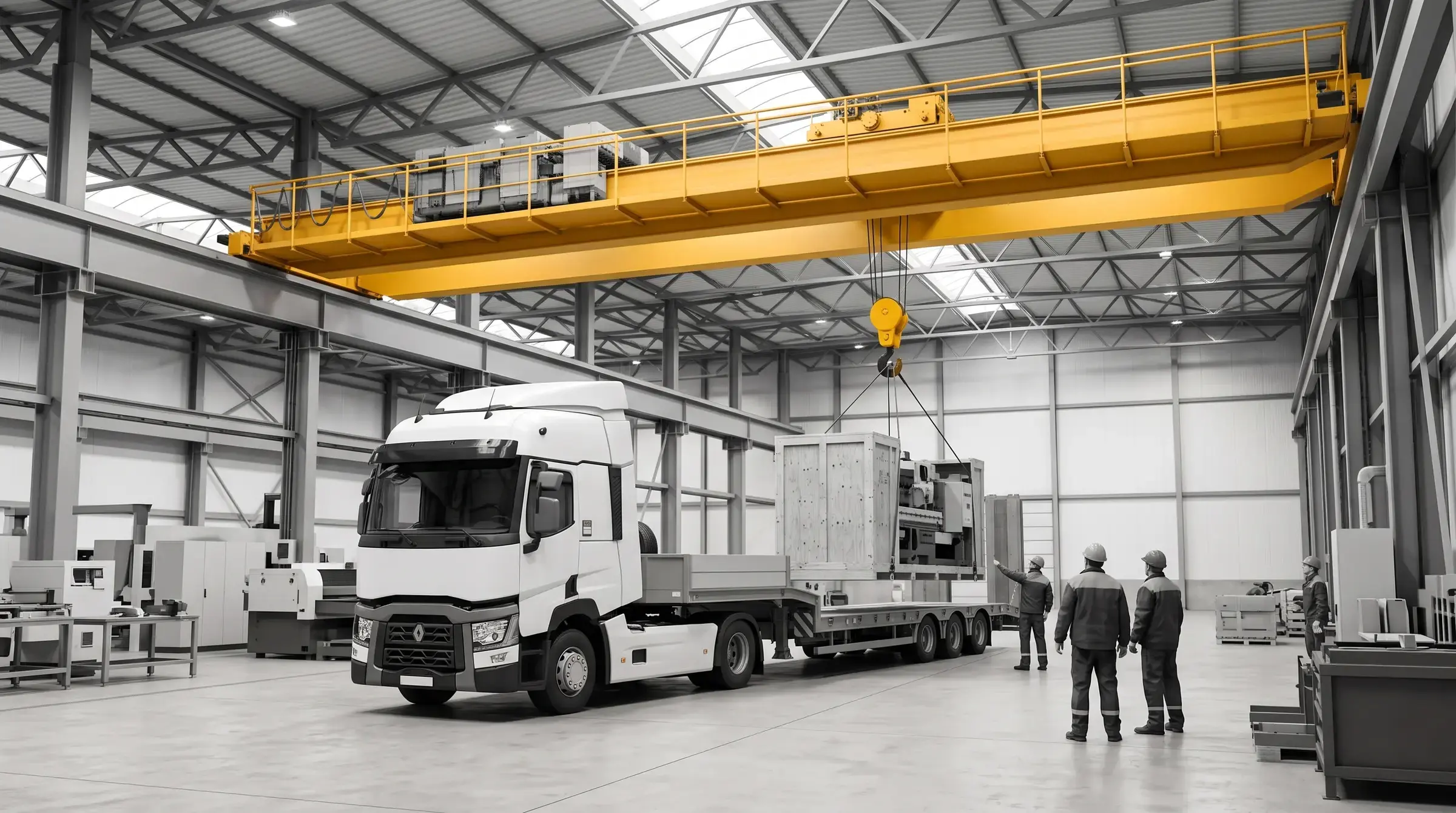
03Sector
Industrial machinery and project cargo
A production line is not a shipment, it is a schedule. Twenty trailers that arrive in the wrong order cost more than a slow transit, so project work starts with a route survey and a sequence, not with a price.
Sector detail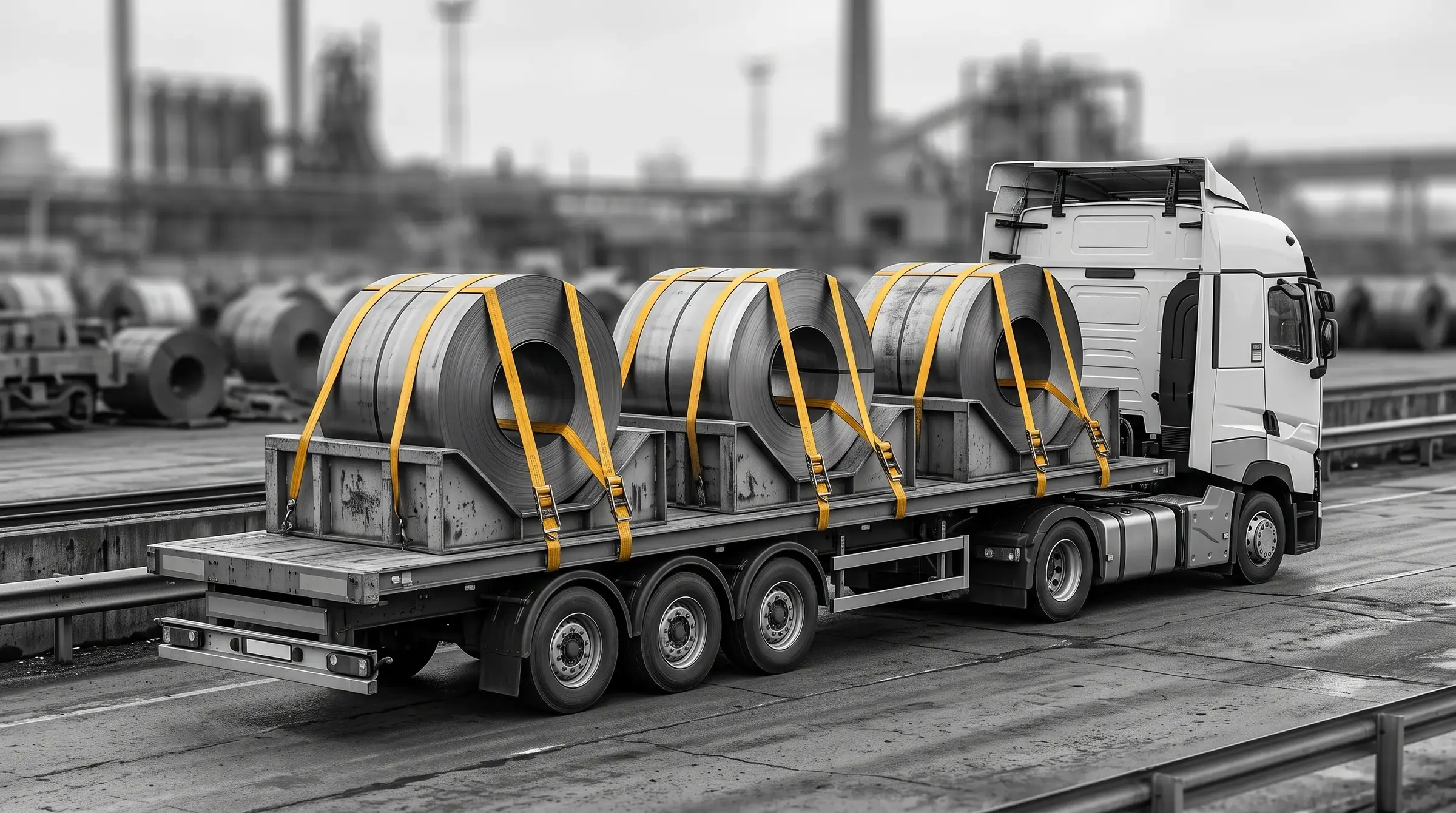
04Sector
Metals and construction materials
Dense cargo fills a trailer's weight limit long before it fills the deck. Getting metals moved economically is a question of load planning and securing, and both are decided before the truck is loaded.
Sector detail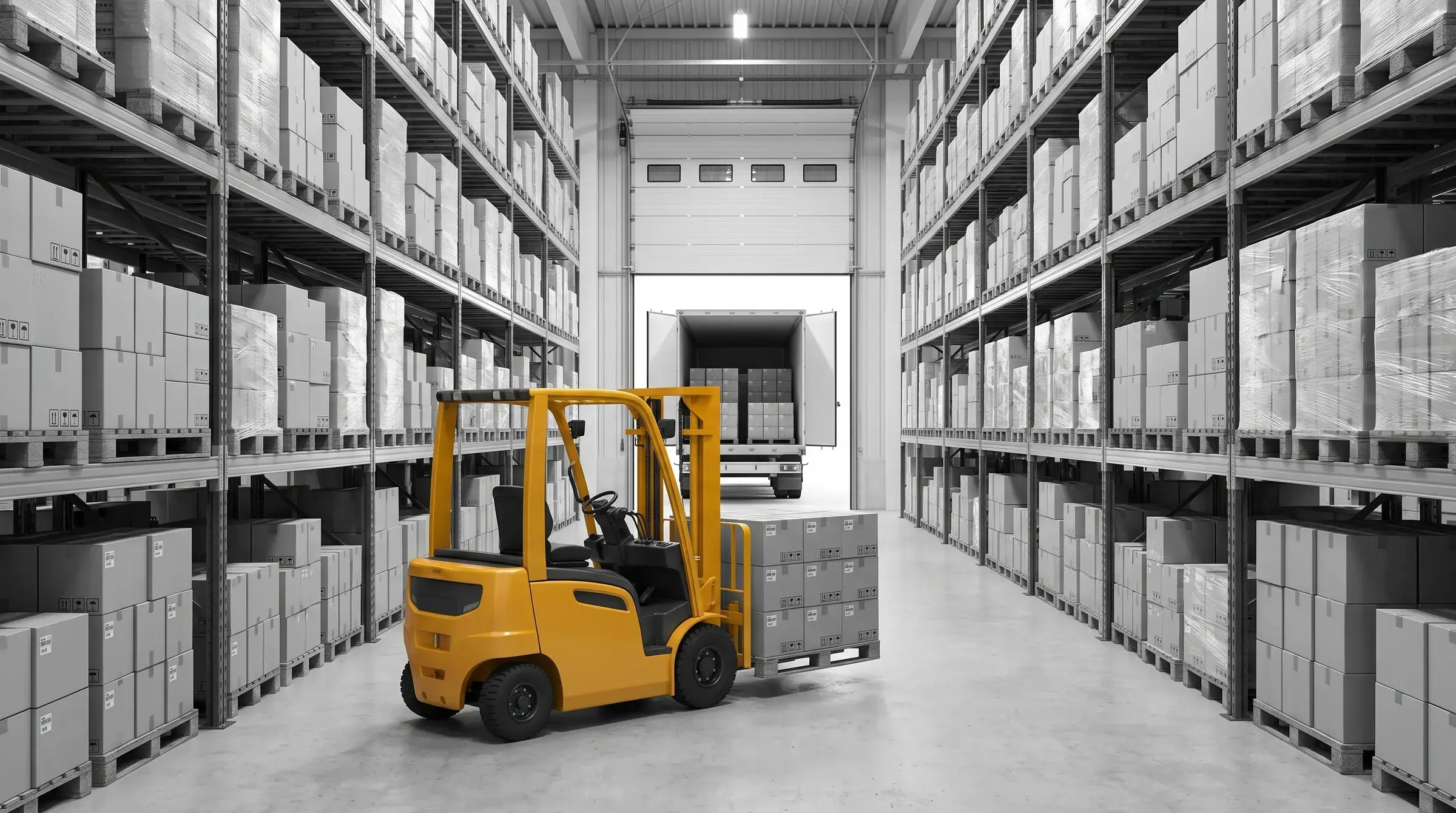
05Sector
Consumer and personal care goods
Consumer goods rarely fill a trailer on their own and rarely justify waiting until they do. This is what the Poland and Lithuania hubs exist for: regular consolidated departures at pallet-level pricing.
Sector detail
Not on the list?
These are the sectors we move most often. Describe your cargo and we will tell you straight away if we can move it.